Outdoor Pad
I managed stakeholder constraints and EN security specs to ship Verisure’s first outdoor device, completing the smart lock ecosystem and reducing false alarms...
We'd done the hard thing. LockGuard was in our first markets. The data was strong, the interest was there, and we had a product that genuinely made the alarm experience better.
Then the feedback came in.
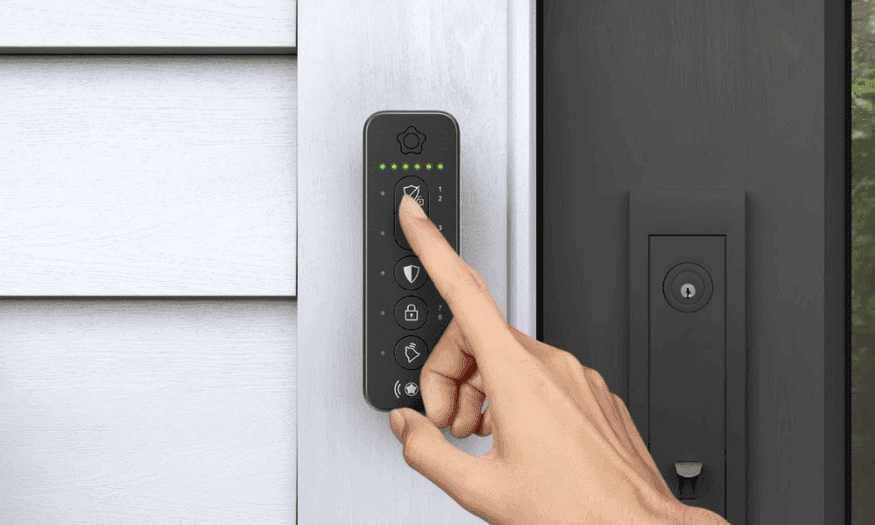
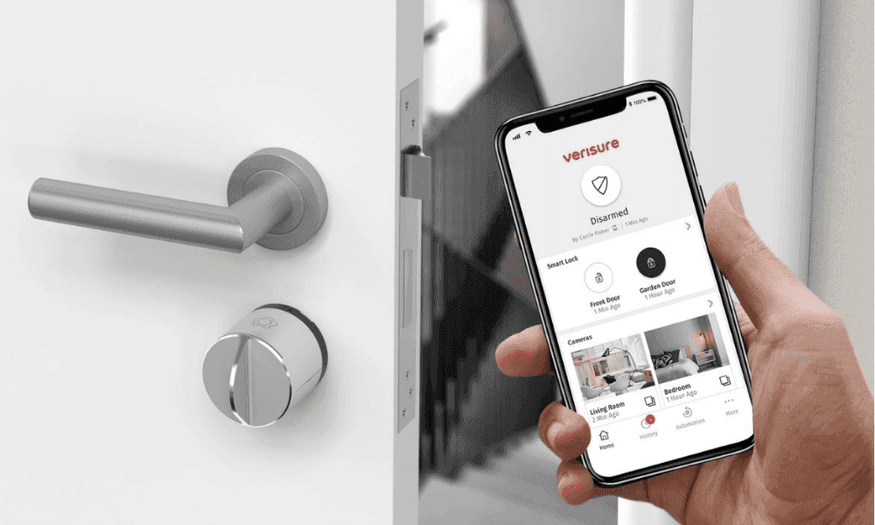
It wasn't angry feedback, which sometimes makes it harder to act on. It was the quiet, persistent kind — customers who loved the lock but kept running into the same friction point. You needed your phone to operate it. And not everyone, every time, in every weather condition, wanted to pull out their phone just to get into their house.
The complaint that really crystallized it came from an internal stakeholder. Someone with strong opinions and the organizational weight to back them up. He wanted an outdoor keypad.
That request, simple on the surface, turned into one of the more technically and politically demanding projects of my time at Verisure.
The constraint that made it interesting
He wanted four buttons. Four.
I understood the instinct — cleaner, simpler, less intimidating on the wall. But think through what four buttons actually means for a PIN entry system. You're trying to cover ten digits with four physical keys. The UX math doesn't work, and the usability nightmare that follows would have poisoned the whole product.
We pushed back. Five buttons was the minimum to make this workable — two digits per button, with one button per row — and it also turned out to be what the EN security certifications required. Sometimes the right answer and the compliant answer are the same answer, and that alignment made the argument easier to win.
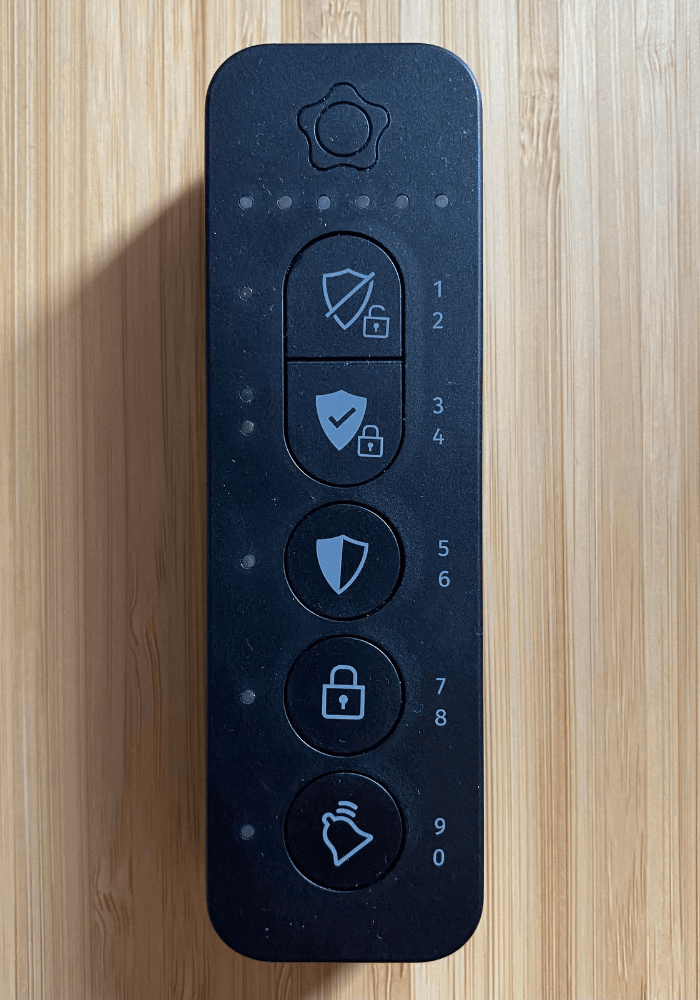
Five buttons it was. But the real design problem was still ahead of us.
The PIN question
The device needed to handle typical alarm operations: arm, disarm, partial arm, lock without arming, and a doorbell function. You pressed the relevant button, the NFC reader activated, and you could use a physical tag, a mobile credential, or a PIN.
The PIN was where it got genuinely interesting.
We had two options. The first was T9 — the Nokia-style method, where pressing a button once gives you the first digit and twice gives you the second. Familiar to anyone who learned to text before smartphones. The second was what I started calling the American style: each button registers as a distinct input regardless of how many times you press, so users learn a 5-key spatial layout rather than digit combinations. You see it in some car security systems in the US.
We chose T9. It felt more intuitive. Users already had a mental model for it.
It was the wrong call.
The hardware created more inconsistency in button registration than we'd accounted for. What felt like a reliable input on a test bench became slightly erratic in the field — and a slightly erratic PIN experience, repeated every day at your front door, is exactly the kind of friction that quietly erodes trust in a product.
The right answer would have been the American style. Harder to learn initially, but consistent. And consistency is what matters when someone is standing outside in the rain at 11pm trying to get in. The American method also pushed customers toward longer PINs — six digits minimum instead of four — which aligned with the EN certification requirements anyway.
I learned something from that decision that I've carried with me: in any daily-use physical interface, learnability matters less than repeatability. Users adapt. They don't forgive unreliability.
The deeper challenge: first outdoor product
The PIN method was visible. What most people didn't see was everything else.
The Outdoor Pad was Verisure's first outdoor hardware product. Everything that sits inside a home benefits from stable temperature, no moisture, no UV exposure. Outside is a different environment entirely, and the learning curve for the hardware team was steep. Weatherproofing, durability under direct sunlight, how components behave across temperature ranges — none of that was institutional knowledge yet.
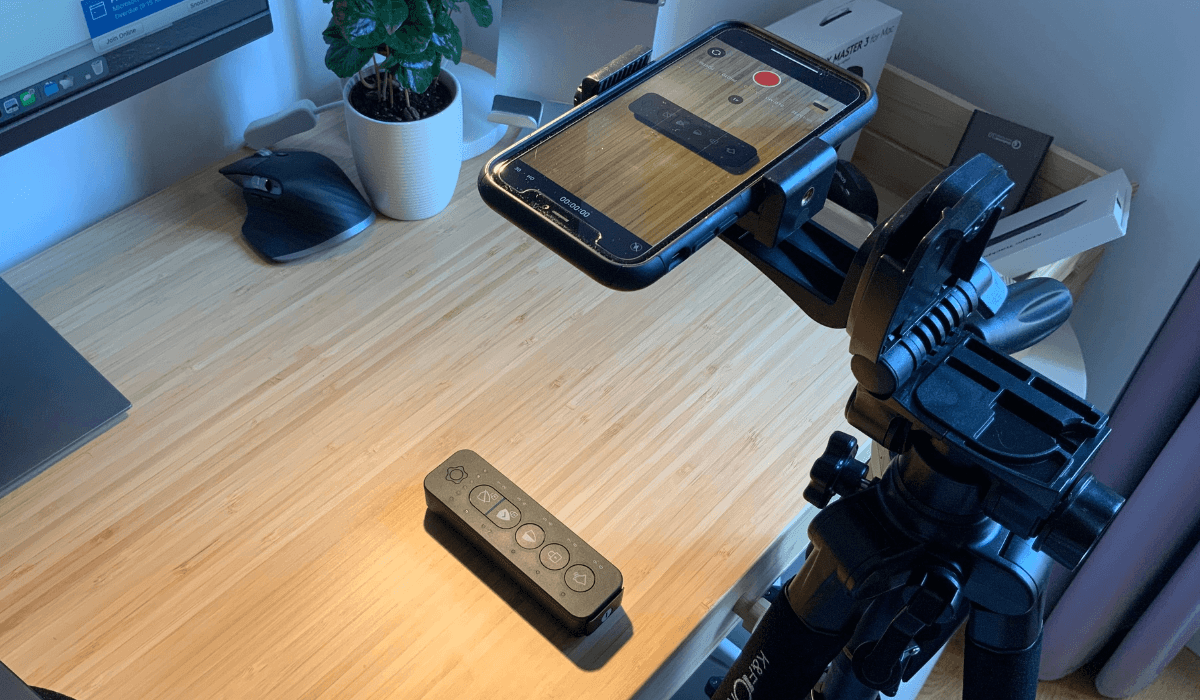
And then there were the certifications. Security hardware that integrates with a monitored alarm system doesn't just have to work. It has to be certified. The process for getting an outdoor device approved for connection to the alarm infrastructure is long, rigorous, and unforgiving of late design changes. Every decision made early in the process echoes through months of testing downstream.
We shipped it. The Outdoor Pad was referenced in Verisure's 2022 annual report as a new user interface device designed to facilitate system interaction outside the home. The 2024 sustainability report later cited outdoor keypads as a primary mechanism for reducing false alarms across the portfolio — the same driver that had made LockGuard valuable in the first place.
The thread connects. That was always the point.
What I'd do differently
Two things.
First, I'd run more field testing on the PIN interaction earlier — not in a controlled lab environment, but with real doors, real weather, real users who are tired after a long day. The gap between "works in testing" and "works reliably in context" is where hardware products fail quietly.
Second, I'd pressure-test the stakeholder constraints harder at the start. The four-button ask was well-intentioned, and the person behind it had real product instincts. But some constraints need to be challenged before they become design parameters, not after. The five-button outcome was right. We got there — but earlier is better.
Outdoor Pad wasn't the product that moved the needle the way LockGuard did. It was quieter than that. But it closed a loop that needed closing: you can't ask customers to change how they interact with their home security and then leave them dependent on a smartphone as the only way in.
Sometimes the important product is the one that makes the first product complete.
Rafael J. Schwartz
Product leader. Writing about teams, clarity, and building things that matter.
More work
Let’s talk
If something here resonated, if you're working through a product problem, or if you just want to think out loud — reach out!